The Complete Guide to HVAC for New Homeowners in Denver
Published: 2026-04-14 · By AirPros Heating and Cooling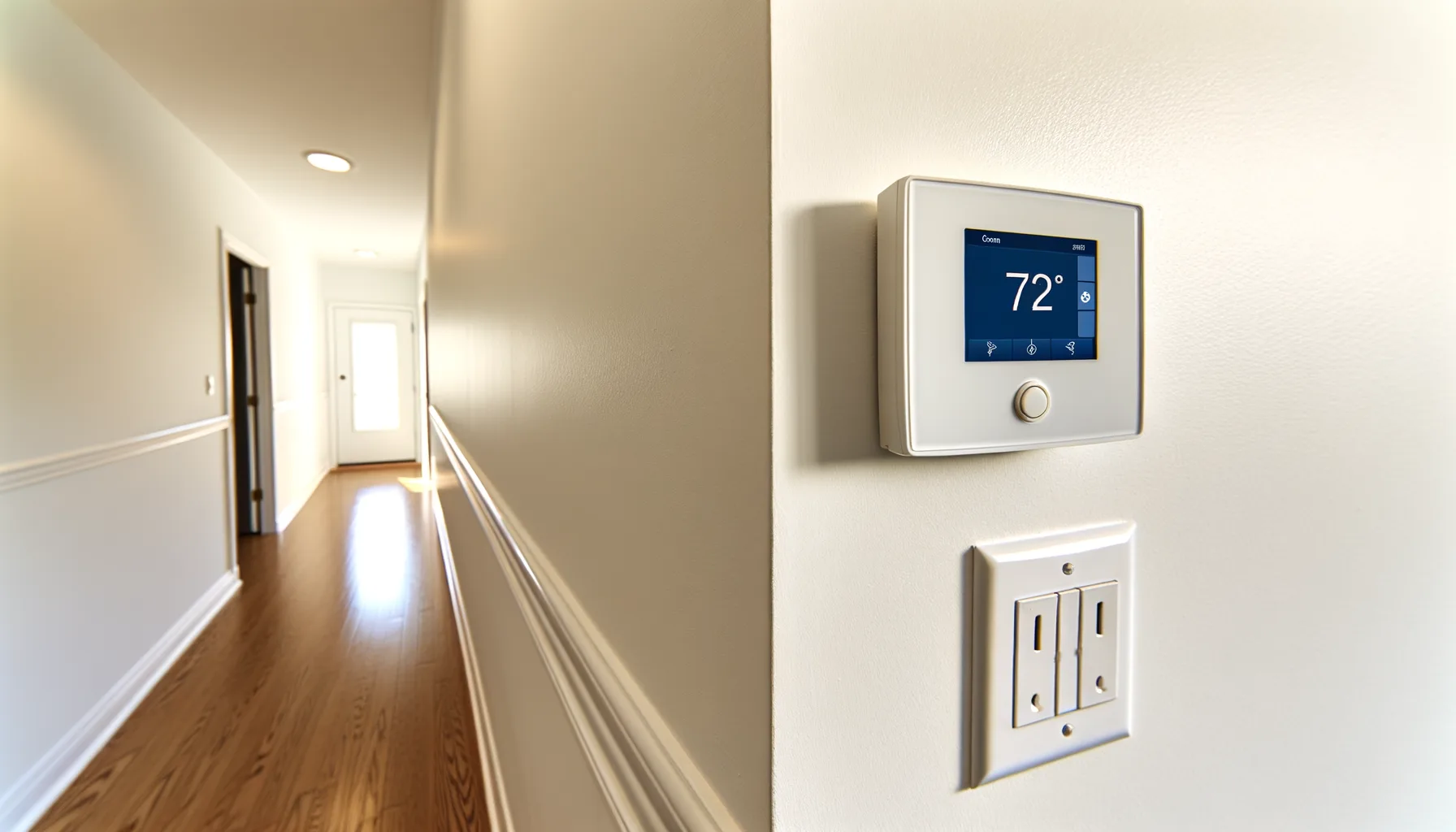
As a new homeowner in Denver, you've already experienced the unpredictable nature of the climate, from sudden hailstorms to frigid winter temperatures. You might be wondering how to ensure your HVAC system can withstand such extremes. Understanding the unique requirements of your home and local weather will help you maintain comfort throughout the year. In this guide, we’ll delve into crucial aspects of HVAC systems tailored to Denver's specific needs, helping you make informed decisions, protect your investment, and retain that cozy atmosphere in your new home.
Why This Matters for Denver Homeowners
Denver homeowners face numerous challenges related to HVAC systems due to the city’s rapid temperature swings and unique soil types. Homes built on expansive clay soils often suffer from structural issues, which can directly affect the performance and lifespan of heating and cooling systems. With the potential for heavy snowmelt leading to severe frost-thaw cycles, your HVAC unit must be adequately equipped to handle fluctuations in temperature.
Additionally, Denver's elevation and climate mean significant variations in humidity levels throughout the year. Ignoring these local weather nuances can lead to inadequate heating or cooling, increased energy bills, and even potential health risks due to poor air quality. Properly addressing these factors is essential.
Tip: Schedule HVAC maintenance before the seasons change; this will prepare your system for whatever Denver throws your way.
New homeowners often underestimate the impact of local environmental factors, resulting in costly repairs or replacements. Establishing an understanding of your system's needs is vital to ensure longevity and efficiency.
Expert Solutions & Actionable Tips
1. Understanding Your HVAC System's Components
Your HVAC system comprises various components, including the furnace, air conditioner, and ventilation system. Each part contributes to your home’s comfort. Knowing how to operate them effectively can save you money on energy bills. For instance, upgrading your thermostat to a smart model in Denver could result in savings of about 15% annually, which can equate to $150 or more on average, depending on usage.
Furnaces typically last around 15-20 years, while air conditioners generally last 10-15 years. Ensuring regular maintenance can extend lifespan and improve efficiency. Investing in help from HVAC professionals can be crucial in managing repairs as systems age.
2. HVAC Maintenance Schedule
Establishing a maintenance schedule is critical for homeowners in Denver. Ideally, schedule a service twice a year: once in late fall for your heating system and once in spring for cooling. This preventative maintenance usually costs between $150 to $200 each visit.
During these visits, HVAC technicians will inspect your units, clean filters, and check for any potential issues. This proactive approach not only ensures efficiency but also helps prevent larger, costly issues from occurring down the line.
3. Air Quality Considerations
Besides heating and cooling, be mindful of your indoor air quality, which can be especially affected by outdoor conditions in Denver. Dust, pollen, and wildfire smoke are prevalent, so consider adding HEPA filters to your HVAC system. These filters, costing around $50-$100, can significantly reduce allergens and pollutants.
Additionally, air purification systems can help maintain clean air indoors, streamlining HVAC function and extending system longevity. Seek professionals experienced with indoor air quality solutions, especially during wildfire season.
4. Energy Efficiency Ratings
When selecting or upgrading HVAC units, consider energy efficiency ratings. Look for systems with a Seasonal Energy Efficiency Ratio (SEER) of at least 14 or higher for air conditioning and Annual Fuel Utilization Efficiency (AFUE) ratings above 90% for furnaces to optimize energy savings in Denver's fluctuating climate.
Investing in energy-efficient models may yield immediate financial benefits, including potential rebates and reduced energy costs, aiding in long-term savings that contribute to the overall comfort of your home.
5. Choosing the Right Contractor
Selecting a knowledgeable HVAC contractor is essential for long-term success. Gather several bids and verify their licensing and insurance. In Denver, expect installation costs for a new unit to range between $3,000 and $8,000, depending on the complexity.
Pay attention to customer reviews and past client experiences to judge their reliability. A great contractor understands local climate patterns and building codes, ensuring compliance and efficient installations customized to your home’s unique needs.
6. Understanding Local Codes and Permits
Denver has specific building codes that can influence HVAC installations and repairs. Before undertaking an installation project, check local regulations. Many renovations might require permits, particularly if modifications affect structural elements or energy use.
Consult local HVAC professionals to ensure compliance with all codes. This commitment to adherence prevents fines and complications during inspections, ensuring a safe and functional system in your home.
Denver Climate & Local Context
Denver’s climate can be challenging for any homeowner, but understanding its implications for HVAC systems is critical for comfort and efficiency. Due to the city’s rapid temperature fluctuations, HVAC systems need to be adaptable and efficient. With winter temperatures often plummeting below freezing and rapid shifts into warmer seasons, homeowners should be proactive in their systems' maintenance.
The local building stock often features homes built on expansive clay soils, complicating drainage and affecting foundations. Factors like improper drainage can exacerbate HVAC issues, leading to moisture infiltration and additional strain on your systems. By understanding local architectural practices, you can make informed decisions about maintenance and upgrades.
When to Call a Professional
When considering whether to tackle HVAC issues yourself or hire a professional, it's vital to evaluate the complexity of the problem. Many aspects of HVAC systems are best left to trained technicians, especially in Denver's specific climate and building conditions. While routine tasks, like changing filters, can be self-managed, several red flags indicate you should call a pro.
- Obvious refrigerant leaks.
- Unusual noises from units.
- Inconsistent air temperatures throughout the house.
- Spike in energy bills without apparent changes in usage.
- System not operating at all.
- Presence of mold or moisture in air ducts.
Ignoring the signs can lead to further damage and increased costs, making timely assessments crucial.
Frequently Asked Questions
How often should I change my HVAC filters?
In Denver, it's best to change your HVAC filters every 1-3 months, depending on usage and local air quality conditions.
What are common HVAC issues in Denver?
Common issues include temperature inconsistencies, humidity problems, and system freezes, especially during Denver’s cold months.
How can I improve my HVAC system’s efficiency?
Improving efficiency can involve regular maintenance, upgrading to energy-efficient models, and installing proper insulation.
Does Denver require HVAC permits for installations?
Yes, Denver typically requires permits for new HVAC installations or significant modifications, ensuring compliance with local codes.
What is the lifespan of an HVAC system?
Generally, furnaces last about 15-20 years, while air conditioners last around 10-15 years if properly maintained.
Get Expert HVAC Service in Denver
As a new homeowner in Denver, your HVAC needs are as unique as the city itself. For tailored advice and expert service, reach out to AirPros Heating and Cooling today at (720) 727-9382. Our team is here to ensure your home stays comfortable year-round.
Don’t let Denver’s unpredictable climate catch you off guard. Contact AirPros Heating and Cooling now to schedule your HVAC consultation!