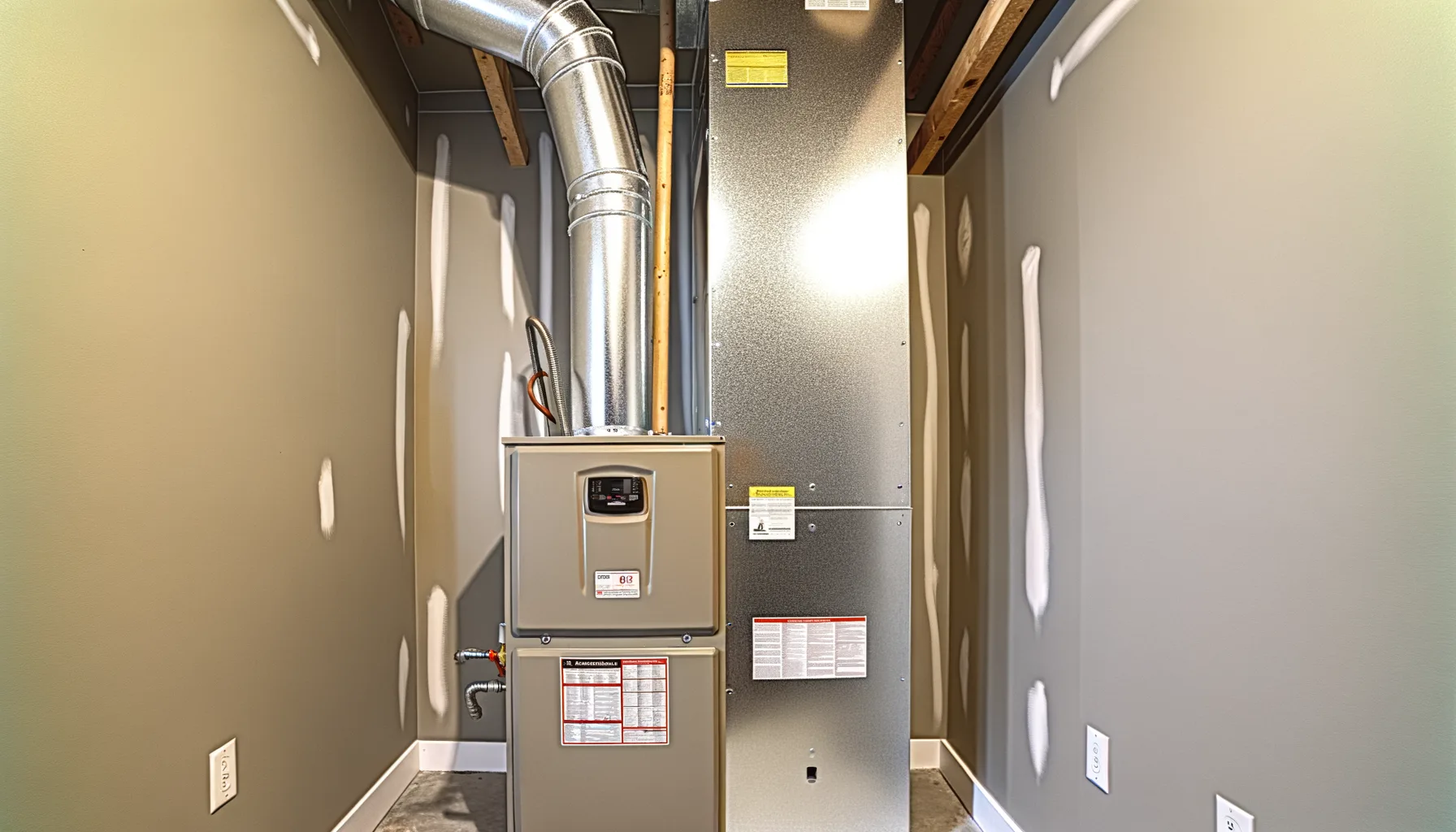
The Importance of Regular HVAC Maintenance
Published: 2026-04-14 · By AirPros Heating and Cooling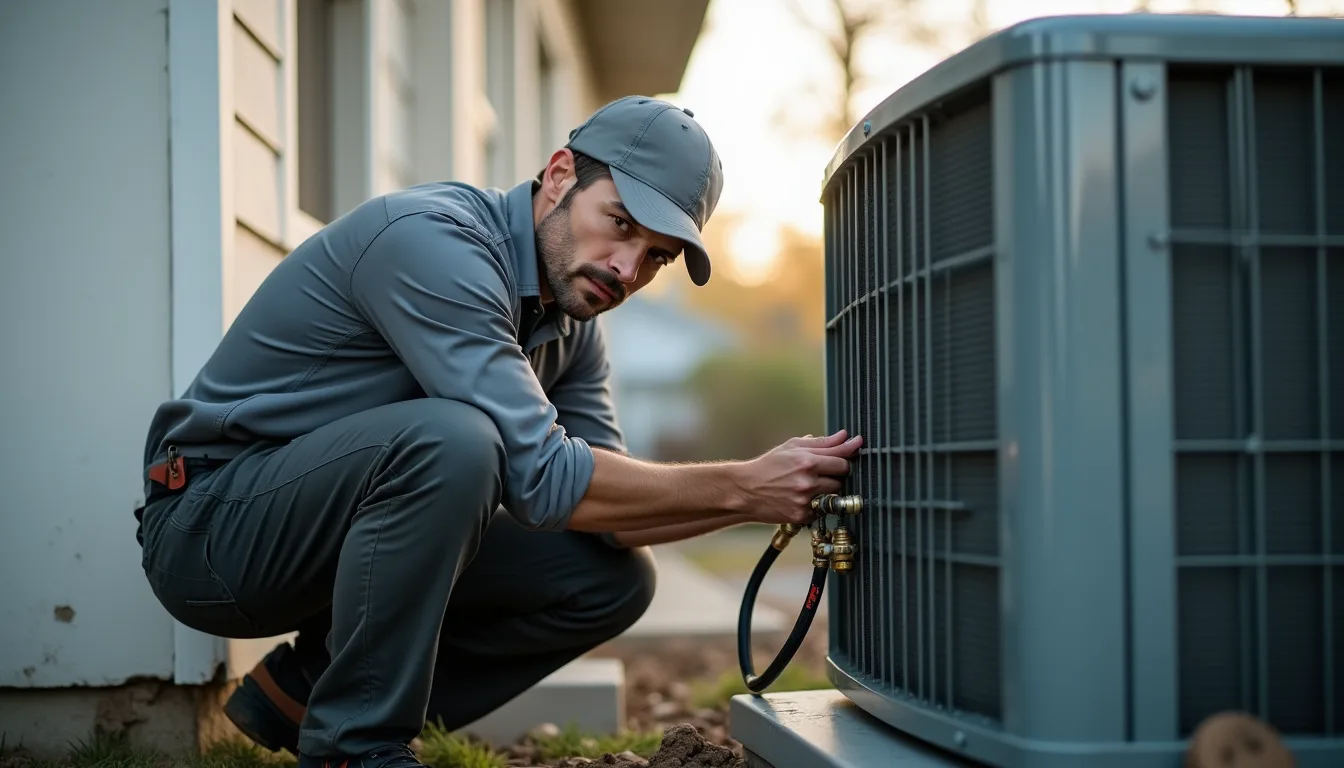
Imagine it's a chilly Denver evening, and your heating system starts making unusual noises. You reach for the thermostat, only to find it unresponsive. As the indoor temperatures begin to drop, you remember the unpredictable nature of Colorado's weather—one moment basking in the winter sun and the next caught in a snowstorm. This scenario serves as a wake-up call, emphasizing the critical role of regular HVAC maintenance. It’s not just about comfort; it’s about preserving the functionality and efficiency of your heating and cooling systems, especially when you face those rapid temperature swings typical in Denver.
Why This Matters for Denver Homeowners
Regular HVAC maintenance might seem like an optional luxury, but in a city like Denver, it is essential. Rapid temperature swings can put immense stress on your HVAC system. During the winter, snowy conditions and cold snaps can escalate wear and tear on your heating unit. In contrast, summer's heat waves demand cooling systems to work harder, potentially leading to breakdowns if not maintained. Moreover, many local homes, built on expansive clay soils, are prone to drainage issues which can impact HVAC efficiency and longevity.
The importance of checking filters, cleaning ducts, and performing system check-ups is magnified here in Denver’s unique climate. All these tasks contribute to effective operation and can prevent costly repairs down the line. Skipping routine checks may result in a system that fails when you need it most, costing you more in emergency repairs.
Additionally, with freeze-thaw cycles being common in spring, if your unit isn’t prepared, your system could come under sudden structural stress due to shifting ground and fluctuating temperatures. Understand that maintenance isn't merely preventive; it enhances the longevity of your system, cutting down overall costs significantly.
Expert Solutions & Actionable Tips
1. Schedule Seasonal Check-Ups
Routine inspections in both spring and autumn can keep your HVAC system running smoothly throughout Denver’s unpredictable seasons. Expect to pay around $100 to $150 for each service, which typically includes a comprehensive system check, duct cleaning, and filter replacement. During these check-ups, technicians will identify potential problems before they escalate, ensuring your system is ready when you need it most.
2. Replace Filters Regularly
In homes within the Denver area, it's recommended to change your HVAC filters every 1 to 3 months, depending on how often you use your system and the size of your home. Expect a cost of around $15 to $30 per filter but investing in high-efficiency filters could enhance your system's performance. Cleaner filters also mean better air quality, a necessity when pollen counts rise in spring.
3. Insulate Ducts Effectively
Many Denver homes feature basements and attics that can lead to energy loss if not insulated properly. Insulating ducts can cost between $1 and $2 per linear foot but can lead to a noticeable decrease in energy bills by preventing heated or cooled air from escaping. This step ensures your home maintains the desired temperature without overworking your system.
4. Invest in Smart Thermostats
Smart thermostats can enhance HVAC efficiency by learning your heating and cooling habits. In Denver, where temperature fluctuations are common, connecting a smart thermostat can save homeowners between 10% and 15% annually on energy costs. Expect to pay $100 to $300 for the unit, but the long-term savings offer significant benefits.
5. Clear Outdoor Units from Debris
After hail storms or heavy snowfall, it’s crucial to remove debris from outdoor HVAC units. This task can be done yourself, but if done incorrectly or neglected, repairs can run $200 to $400. Ensuring there’s no obstruction will assist with airflow, prolonging system life and preventing energy loss.
6. Know When to Upgrade
Maintaining an older HVAC unit can sometimes be more costly than investing in a new one. If your system is over 15 years old and requires frequent repairs, consider budgeting $4,000 to $10,000 for a new system. Here in Denver, energy-efficient models can also provide utility savings that offset the initial costs.
Denver Climate & Local Context
Denver’s climate is as varied as it is beautiful, with winters that often feature blustery snowstorms and summers filled with heatwaves. These rapid changes necessitate an HVAC system that can adapt quickly without compromising on efficiency. The local building stock often includes homes with specific characteristics due to the expansive clay soils that can shift dramatically during the freeze-thaw cycles, creating additional stressors for home heating and cooling systems.
Building codes in Colorado emphasize energy efficiency, requiring certain standards to be met in HVAC installations. Ensuring your system complies not only helps with efficiency but can also be crucial when selling your home. Familiarity with local regulations streamlines the process of performing necessary upgrades, insulating ducts, or installing high-efficiency systems.
When to Call a Professional
While some HVAC maintenance tasks can be handled DIY-style, others definitely call for professional eyes. If you're noticing poor airflow or temperature fluctuations despite simple fixes, it's time to call a technician. However, if you feel comfortable performing basic tasks like filter replacement, go ahead.
- Unusual noises from the HVAC system
- Temperature discrepancies in different rooms
- Increased energy bills without explanation
- Visible wear on wires or components
- Foul odors emanating from vents
- Continual musty smells
- Leakage around the HVAC equipment
- Unit not responding to the thermostat
When faced with one or more of these red flags, seeking the expertise of AirPros Heating and Cooling ensures that your system stays in the best possible shape.
Frequently Asked Questions
How often should I schedule HVAC maintenance in Denver?
It’s advisable to schedule maintenance at least once a year, ideally before the high-demand seasons of summer and winter.
What are common signs that my HVAC system needs repair?
Look for unusual noises, fluctuating temperatures, or rising energy bills; these may indicate underlying issues.
Can I perform HVAC maintenance myself?
Basic tasks like changing filters are DIY-friendly, but more complex issues should be handled by professionals for safety and efficiency.
What is the average cost of an HVAC repair in Denver?
Depending on the issue, repairs can range from $150 to $2,000, so having regular maintenance helps prevent costly breakdowns.
How can I improve air quality in my home?
Regularly changing filters, investing in air purifiers, and ensuring good ventilation are effective ways to enhance indoor air quality.
Get Expert HVAC Service in Denver
Don’t wait for a system failure to escalate your costs. Regular HVAC maintenance is essential for ensuring comfort and efficiency in your home. For personalized service tailored to Denver’s unique climate, contact AirPros Heating and Cooling today!
Call us at (720) 727-9382 and let’s get your HVAC system ready for whatever Denver weather throws your way.