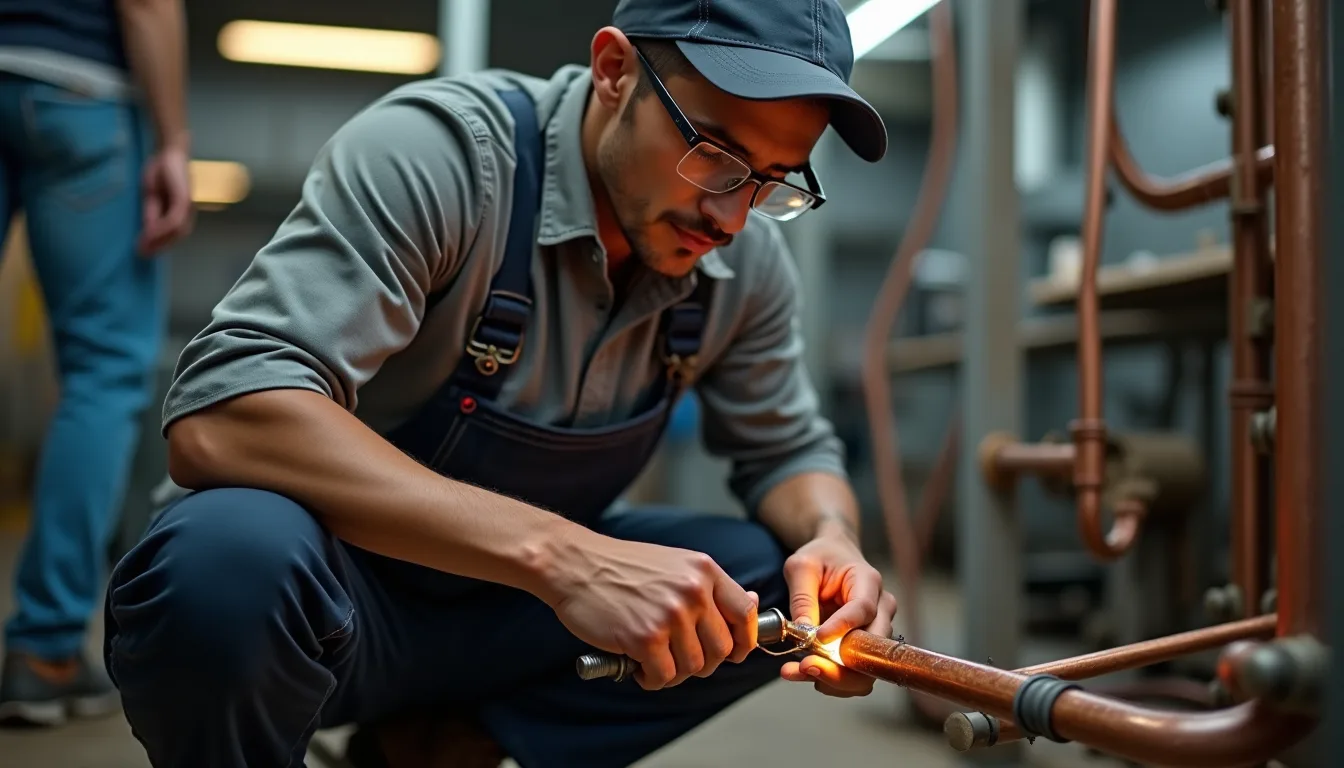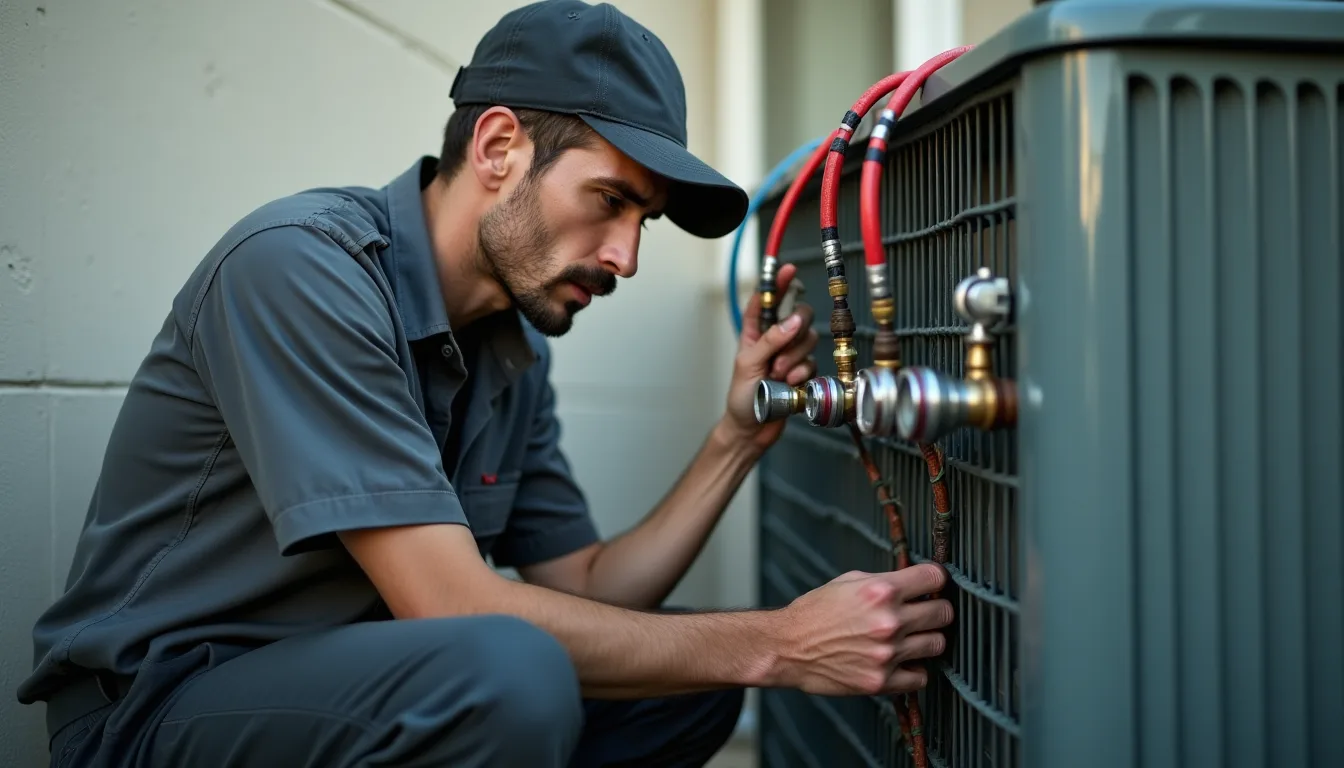
As a Denver homeowner, you know how unpredictable the weather can be. One moment, you're basking in warm sunshine, and the next, freezing temperatures sweep in, creating a range of challenges for your heating and cooling system. After a hailstorm, your HVAC unit may be left vulnerable, and it’s crucial to understand when you can safely tackle issues yourself and when it’s time to call in an expert. Denver's unique climate and home structures present distinct considerations that could make or break your comfort levels.
Why This Matters for Denver Homeowners
The local climate presents a unique set of HVAC challenges. With rapid temperature shifts between summer and winter, heating and cooling systems in Denver face intense wear and tear. Additionally, many homes are constructed on expansive clay soils, which can disrupt foundational stability and drainage, impacting HVAC performance. A faulty system in such an environment can lead to increased energy costs and uncomfortable living conditions.
Many homeowners are tempted to resolve issues on their own, especially when trickle-down expenses can add up quickly. However, improper handling of HVAC systems can lead to further complications, particularly during heavy snowmelt or freeze-thaw cycles. This adds stress to plumbing and drainage systems due to swelling soil, making timely professional interventions critical.
Be cautious when attempting DIY repairs, as they may void existing warranties on your HVAC equipment.
Expert Solutions & Actionable Tips
1. Assessing Weird Noises
If your HVAC system is making unusual sounds, it could indicate various issues from loose components to more serious malfunctions. For a full diagnostic, expect to pay between $75 to $150 if you opt for a professional consultation.
Troubleshooting minor noises like rattles may be possible by checking air vents for obstructions or tightening loose screws. However, persistent loud banging or clanking requires immediate professional evaluation to prevent extensive damage.
2. Understanding Refrigerant Leaks
Refrigerant leaks can lead to insufficient cooling and are illegal to handle without proper certification. If you suspect a leak, it’s best to consult AirPros Heating and Cooling for an inspection. Repair costs typically range from $200 to $1,500 depending on severity.
Finding condensation around the unit can hint at a refrigerant issue. Attempting to simply refill the coolant is ineffective without addressing the root cause of the leak.
3. Changing Filters
Regularly changing HVAC filters is a straightforward and cost-effective way of maintaining your system. A high-efficiency air filter might cost around $15 to $30 and should be replaced every 1-3 months, depending on system usage.
Clear, unobstructed airflow is vital for system efficiency. This quick task can save you from higher energy bills and unnecessary wear on your equipment.
4. Dealing with Thermostat Issues
Many temperature inconsistencies arise from thermostat dysfunction. If you’re uneasy about complicated wiring or programming your thermostat, a simple education session can be provided by professionals, typically costing around $50 to $100.
If your home feels hot or cold but the thermostat shows the correct temperature, this warrants a trained eye to check for faulty wiring or calibration errors.
5. Cleaning Outdoor Units
Outdoor units collect debris that can impede performance. Gently cleaning your unit twice a year can prevent operational issues. A professional cleaning might run $70 to $100, depending on accessibility.
Make sure to turn off the power before performing basic cleaning to avoid any mishaps. Remember that safety should be your priority before any DIY attempt.
6. Handling System Installations
Installing a new HVAC system is complex and should always be left to professionals. Installation costs in Denver can range from $3,000 to $8,000 based on your unit's size and efficiency.
Despite the initial investment, a proper installation will ensure that your unit runs smoothly and efficiently for years, avoiding potential costly repairs down the line.
Denver Climate & Local Context
Denver's climate is characterized by rapid temperature shifts, especially during spring. These shifts can contribute to freeze-thaw cycles that put additional stress on your home's HVAC system, exacerbating issues if proper drainage measures are not instituted. Homes constructed in areas with expansive clay soils require specialized techniques and equipment to provide adequate drainage, a task best handled by local professionals.
In addition, Denver homeowners need to be aware that repairs or installations might require local permits. Many HVAC modifications fall under building codes that ensure systems operate efficiently under local conditions. Skipping these regulations can lead to code violations and future complications, adding unnecessary stress to your home’s maintenance.
When to Call a Professional
Understanding when to call a professional over attempting DIY repairs can protect both your investment and your comfort. While small maintenance tasks like changing filters can be straightforward, various scenarios arise where professional evaluation is necessary. Here are a few situations to consider:
- Your HVAC system is emitting strong odors.
- You notice fluctuating temperatures between rooms.
- Humidity levels are excessively high or low inside your home.
- The unit is cycling on and off frequently.
- Your system is older than 15 years and needs an efficiency review.
- Unusual liquid pooling around your unit occurs.
- Any electrical components show signs of wear.
- Air quality worsens, causing allergy symptoms to rise.
Being aware of these indicators can save you time and resources, allowing you to enjoy your Denver home year-round.
Frequently Asked Questions
What should I do if my HVAC system is making strange noises?
Strange noises can indicate different issues, from minor interruptions to serious malfunctions. It’s advisable to contact AirPros Heating and Cooling for a thorough inspection.
How often should I change my air filters?
You should change your air filters every 1-3 months, depending on usage and the type of filter. A clean filter improves efficiency and air quality.
Are there specific regulations for HVAC systems in Denver?
Yes, there are specific building codes and permit requirements for HVAC installations and repairs in Denver, aimed at ensuring efficiency and safety.
What is the average lifespan of an HVAC system in Denver?
HVAC systems typically last between 15 to 25 years, but local climate stress can impact their longevity.
When should I replace my HVAC system?
Consider replacing your system if it’s over 15 years old or requiring frequent repairs, as newer models offer enhanced energy efficiency.
Get Expert HVAC Service in Denver
Your comfort during Denver’s unpredictable weather shouldn’t be compromised. If you’re unsure about your HVAC system’s operation or need professional assistance, don’t hesitate to reach out to AirPros Heating and Cooling.
Contact us today at (720) 727-9382 for expert help tailored to your local needs.