Common HVAC Problems in Denver Homes and How to Fix Them
Published: 2026-04-14 · By AirPros Heating and Cooling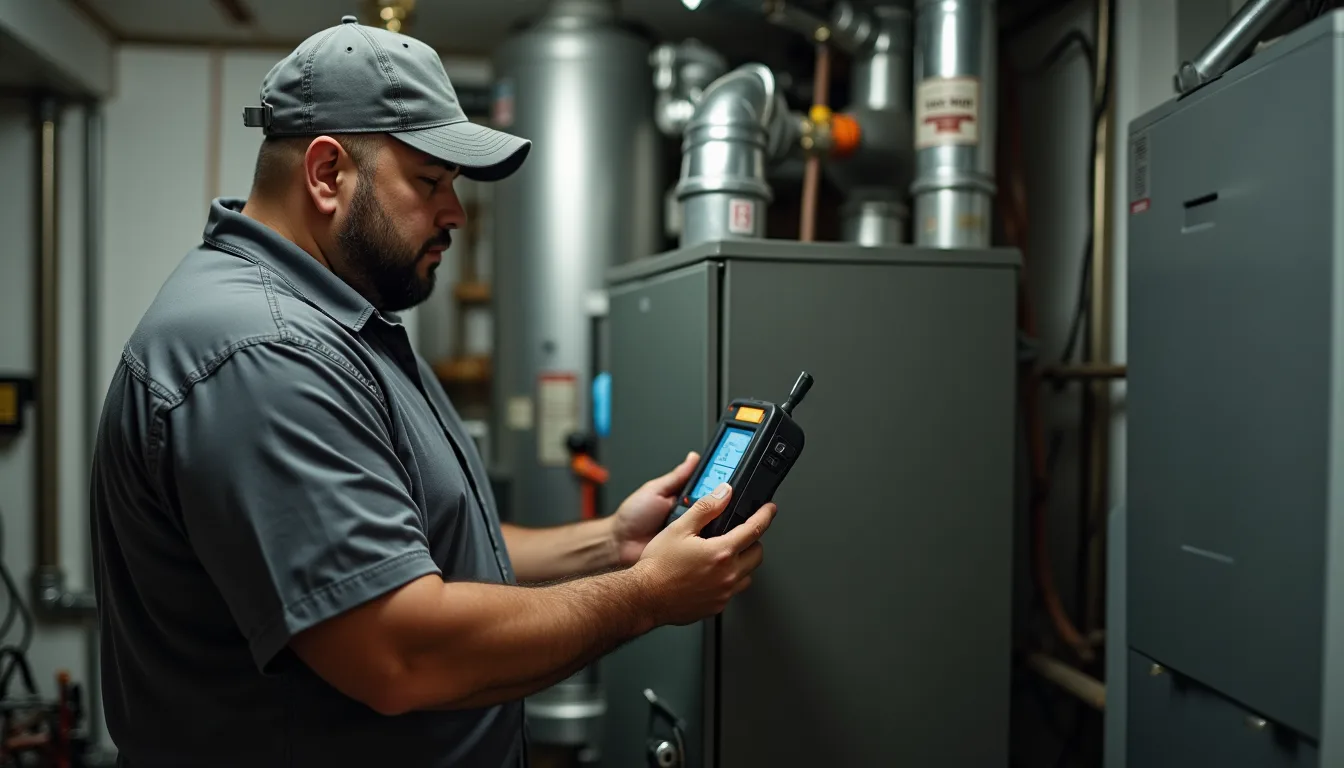
Imagine waking up on a brisk Denver morning, only to find your heating system is struggling to keep your home warm. As temperatures swing from frigid to mild within a day, homeowners in Denver face unique HVAC challenges that require special attention. Understanding these common issues can help you regain comfort quickly and avoid costly repairs down the line. With heavy snowfall in the winter and the risk of hail storms in summer, ensuring your HVAC system performs well is crucial for maintaining a comfortable, safe environment.
Why This Matters for Denver Homeowners
Denver's high-altitude climate creates extreme temperature fluctuations that can wreak havoc on your HVAC system. Instead of relying on an outdated unit or ignoring warning signs, homeowners should become aware of typical HVAC problems that can arise in this region. Many homes in Denver are built on expansive clay soils, affecting drainage and often leading to excess moisture issues that can damage heating and cooling systems over time.
The freeze-thaw cycles in spring can put additional stress on HVAC components, leading to mechanical failures such as overheating or insufficient cooling. Additionally, hail storms can cause physical damage to outdoor units, while improper installation can lead to suboptimal efficiency.
Expert Solutions & Actionable Tips
1. Regular System Maintenance
Routine maintenance checks on your HVAC system are vital, especially in Denver's unpredictable climate. Ideally, schedule these checks at least twice a year, once in spring and once in fall. This proactive approach can range from $100 to $300, depending on the complexity of the services provided. Regular filter changes, cleaning, and checks can extend the life of your unit significantly.
Additionally, maintaining clean ducts can optimize airflow in your home, reducing stress on your HVAC unit. Be prepared for occasional refrigerant refills, which can cost around $100 per pound, ensuring your system runs efficiently as temperatures shift.
2. Upgrade to a Smart Thermostat
Installing a smart thermostat can help you better manage your HVAC system's performance, particularly during Denver's rapid temperature changes. Smart thermostats can be bought for approximately $100 to $250 and can provide energy savings of around 10-15% on your utility bills.
These devices allow for remote control and scheduling, which means you won’t waste energy when you’re not home, and can adjust the heating or cooling before you arrive. This is especially beneficial during those unpredictable Denver weather patterns.
3. Seal and Insulate Ductwork
Leaky ducts can waste a significant amount of energy, making proper sealing and insulation critical. In Denver, the cost of sealing ducts professionally can range from $300 to $500, depending on your home’s layout and size. Insulating ductwork can also prevent condensation, which can be particularly problematic during Denver’s warm spring days.
Addressing these leaks not only improves efficiency but also enhances indoor air quality, reducing allergens and dust circulating in your home.
4. Consider Zoning Systems
Zoning systems allow different areas of your home to be heated or cooled independent of each other, which is beneficial in multi-story homes. The investment can be substantial, often between $2,000 and $3,500, but the savings and comfort levels in your home are well worth the expense in Denver's variable climate.
This system can help balance temperatures across floors and rooms, ensuring everyone in your home stays comfortable regardless of the weather outside.
5. Invest in a Weather-Resistant Outdoor Unit
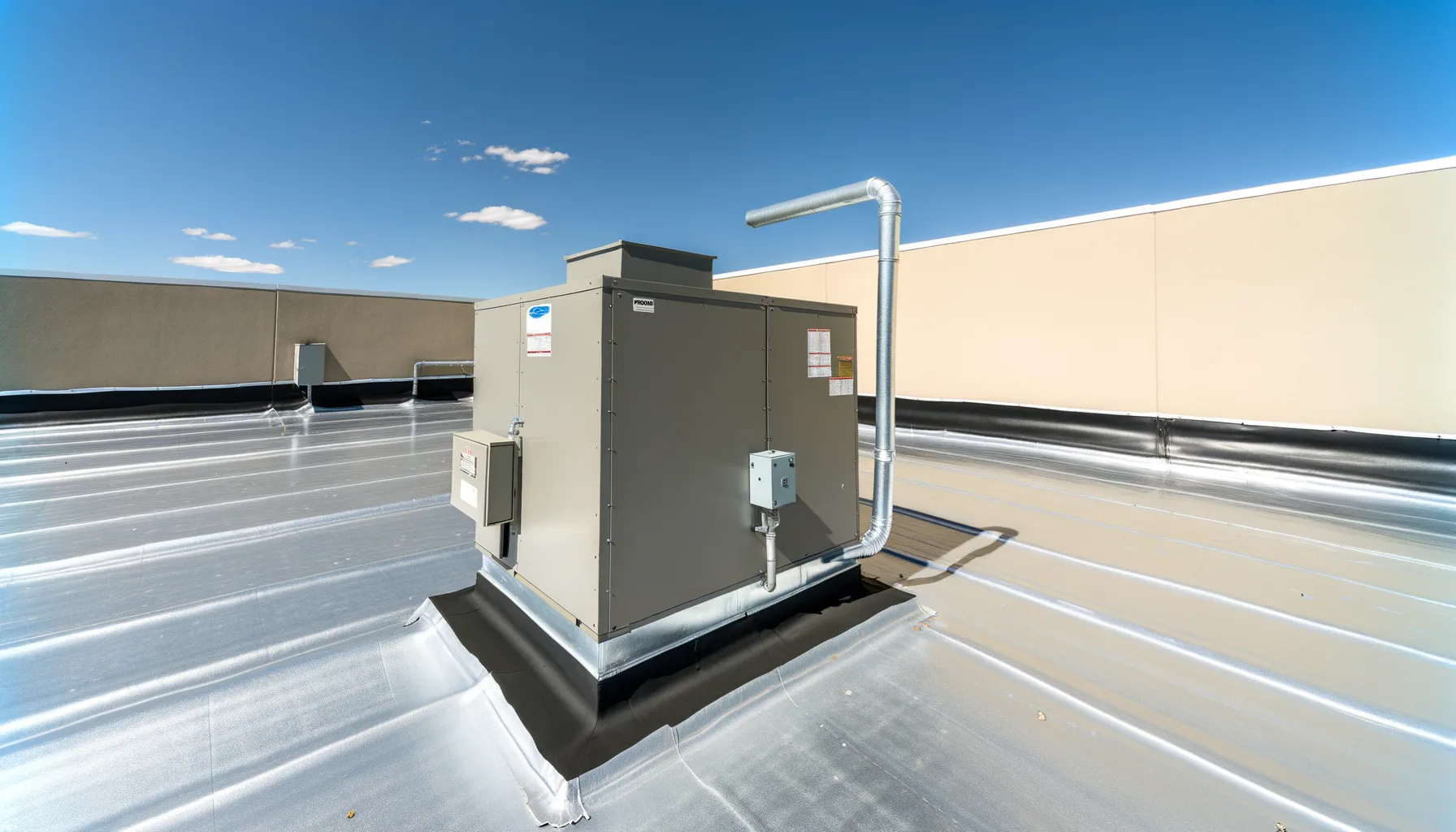
Hail storms are a common concern for Denver homeowners, and investing in a weather-resistant HVAC unit can save you considerable trouble. Higher-end models may cost between $4,000 and $8,000, but their durability against severe weather may offset repair costs.
Look for units designed with reinforced components and protective screens that can withstand hail impacts without compromising performance.
6. Stay Ahead of Filter Changes
Changing your HVAC filters regularly is a must, particularly in Denver’s dust-prone environments. Filters should ideally be changed every 1-3 months, depending on your system and usage. Filter replacements cost between $15 and $30 each, but neglecting this simple task can lead to higher energy bills and reduced system efficiency.
Using HEPA filters can further enhance indoor air quality, essential for managing allergens caused by the region's pollen and dust.
Denver Climate & Local Context
The climate in Denver is characterized by rapid temperature changes, which can complicate HVAC reliability. The region experiences significant snowfall, with spring melt creating unique challenges such as excess moisture. Homes constructed on expansive clay soils often require specific drainage solutions to avoid flooding, impacting HVAC efficiency.
Moreover, local building codes often mandate certain insulation and efficiency standards that can affect your heating and cooling choices. Homeowners should stay informed about these regulations and consult their HVAC professionals to ensure compliance and optimal performance.
When to Call a Professional
While many HVAC tasks can be DIY-friendly, certain situations require professional expertise. Simple tasks such as changing filters or checking thermostat settings are manageable, but more complex issues should prompt a call to a professional.
- Unusual noises or vibrations coming from the unit.
- Persistent temperature inconsistencies within your home.
- Comprehensive maintenance beyond simple filter changes.
- Frequent cycling of the HVAC system.
- Failure of the system to operate after routine adjustments.
- Visible signs of corrosion or moisture near the unit.
- Rising energy bills without changes in usage.
If you encounter these red flags, don't hesitate to contact AirPros Heating and Cooling for an expert evaluation.
Frequently Asked Questions
What are common signs my HVAC system needs repair?
Look for irregular temperatures across your home, strange noises, or increased energy bills, which could indicate underlying issues needing professional attention.
How often should I schedule HVAC maintenance?
It's advisable to schedule maintenance twice a year in the spring and fall to ensure your system is prepared for seasonal demands.
What is the best type of HVAC system for my Denver home?
A high-efficiency heat pump or a gas furnace is often recommended for Denver's climate, balancing performance and energy costs.
Can I install an HVAC system myself?
While minor tasks are manageable, installing an HVAC system requires knowledge of local codes and regulations. It is best left to a certified professional.
How can I improve my HVAC system's efficiency?
Regular maintenance, proper insulation, and timely filter changes are key to enhancing your system's efficiency and extending its lifespan.
Get Expert HVAC Service in Denver
If you're facing HVAC challenges or looking to optimize your system for Denver's unpredictable weather, don’t hesitate to reach out. Call (720) 727-9382 for a consultation with AirPros Heating and Cooling and ensure comfort in your Colorado home.
Your satisfaction is our ultimate goal, and with our expertise, you can tackle any HVAC problem that Denver’s diverse climate throws your way.