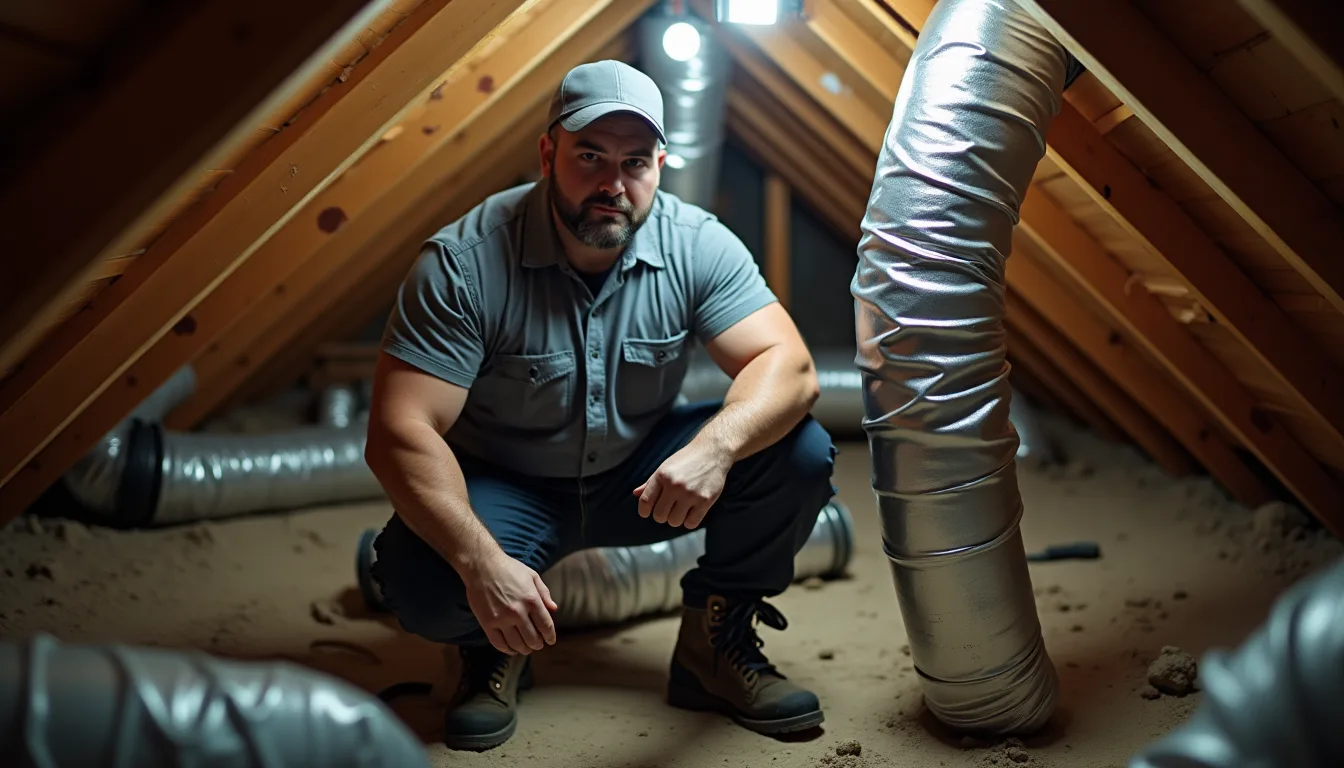
Emergency HVAC: What to Do Before Help Arrives
Published: 2026-04-14 · By AirPros Heating and Cooling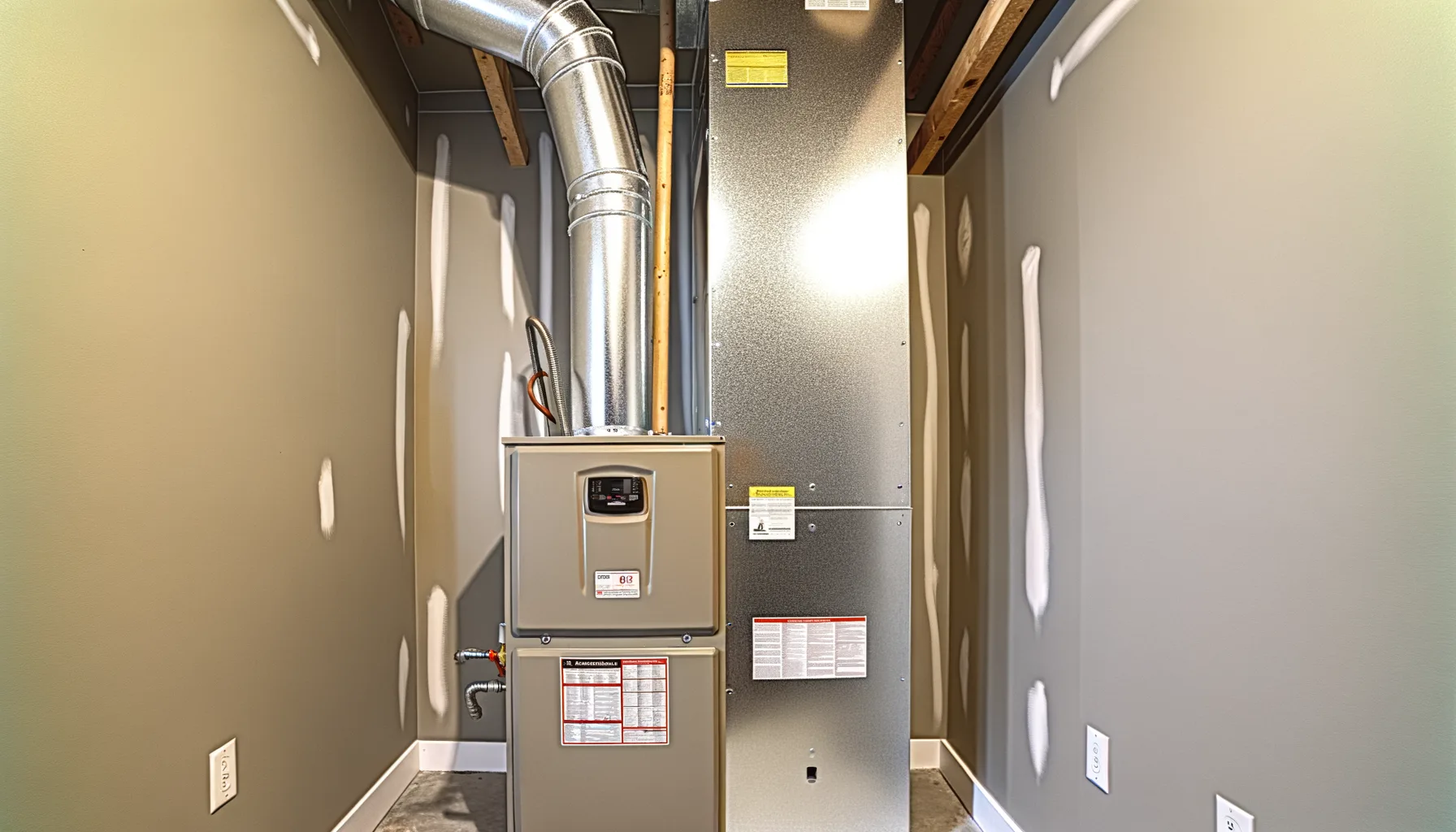
Imagine a chilly Denver night when your heating system suddenly fails. Outside, hailstorms rage, and a temperature drop is imminent. You're left in a house that feels more like an icebox than a sanctuary. In an area known for its unpredictable weather, HVAC emergencies can rear their heads when you least expect them. Understanding how to handle these situations can not only save you from further discomfort but also help mitigate costly damage.
Why This Matters for Denver Homeowners
In Denver, rapid temperature swings and harsh weather conditions make reliable HVAC systems essential for your home’s comfort and safety. If your heating or cooling system malfunctions unexpectedly, the pressure to act can heighten stress levels. Not only do you have to deal with uncomfortable temperatures, but issues like frozen pipes or excessive heat can compound the problem.
Residents need to consider that the freeze-thaw cycles, particularly in spring, often affect homes built on expansive clay soils. These soil conditions can heighten the risk of structural issues which may demand emergency HVAC solutions. A cautious homeowner will recognize that the immediate response you take can influence not only comfort but could lead to significant repair costs later.
With Denver's unpredictable snowmelt in spring, flooding can also be an unexpected issue that exacerbates HVAC failures. Addressing these concerns swiftly with the right knowledge is vital.
Expert Solutions & Actionable Tips
1. Turn Off the System
As soon as you identify that your HVAC unit isn't functioning correctly, turn off the system to prevent further damage or safety hazards. In some cases, running a faulty unit could lead to more expensive repairs. In Denver, calling a professional HVAC service like AirPros Heating and Cooling for an evaluation, usually costs around $100, allowing experts to identify immediate safety risks.
2. Seal Windows and Doors
If it's a cooling emergency during summer, seal all windows and doors to keep hot air from creeping in. This can help maintain cooler indoor temperatures until help arrives. Draft stoppers or even towels can temporarily block invasive air, ensuring that your HVAC efforts aren’t in vain. In Denver, simple sealing measures can lower cooling costs by about 10% during peak summer months.
3. Check Thermostat Settings
Often overlooked, ensuring your thermostat is correctly set can resolve many HVAC issues without necessitating service calls. Make sure it's set to 'cool' for air conditioning or 'heat' for heating. If your thermostat isn’t cooperating, it may need a simple reset. Replacing a thermostat in Denver may range from $100 to $300, depending on model selection and complexity in installation.
4. Inspect Air Filters
Dirty air filters can severely restrict airflow, causing your HVAC unit to struggle and potentially break down. Regularly checking filters every one to three months is vital, especially in areas prone to dust and debris. In Denver, proper air filter maintenance can prolong system life and enhance efficiency, translating to savings of up to $300 annually on energy bills.
5. Utilize Fans and Ventilation
During a heating emergency, utilize ceiling fans to circulate warm air throughout your space. In a cooling situation, exhaust fans can draw out hot air, making your indoor environment more bearable. A quick circulation of air can significantly alter a room temperature in a matter of minutes, giving you relief until professionals arrive. Fan electricity usage is minor; expect an average increase of $10 monthly.
6. Prepare for the Inevitable Call
Have a plan in place for emergency calls. When reaching out to AirPros Heating and Cooling, have your address, equipment details, and symptoms ready. Clear communication speeds up the repair process, ensuring technicians arrive prepared to address issues quickly. Usually, emergency HVAC response times in Denver range from 1 to 3 hours, depending on service demand.
Denver Climate & Local Context
Denver's unique climate demands homes equipped with resilient HVAC systems due to varying temperatures and occasional severe weather. Many houses sit on expansive clay soils, necessitating careful drainage planning during installation or upgrades. When heavy snowmelt occurs, adequate drainage paired with effective HVAC systems becomes imperative to prevent flooding and water damage.
Local building codes emphasize energy efficiency, requiring compliance with specific insulation and ventilation guidelines that can affect your HVAC operation. Denver homeowners should be familiar with these codes to avoid costly fines during inspections or renovations. Compliance ensures a functional system that operates well under the pressure of uncomfortable seasonal changes.
When to Call a Professional
Sometimes, attempting to repair HVAC issues without professional help can lead to further complications. Homeowners should know the signs indicating when it's time to call in the experts. DIY efforts can be sufficient for benign issues, but knowing when to let the pros handle it is key.
- Smells of gas or smoke from any unit.
- Unexplained noises indicating mechanical failure.
- Continuous cycling without achieving the desired temperature.
- Visible water leaks or ice buildup.
- Age of the equipment is over 15 years old.
- Repeatedly blown fuses or tripped breakers.
- Unusual thermostat behavior.
- Excessive humidity or dry air inside of your home.
In these situations, contacting AirPros Heating and Cooling ensures your HVAC system is back up and running safely and efficiently, preserving both comfort and safety for you and your family.
Frequently Asked Questions
What should I do if my HVAC system starts making strange noises?
Strange noises may indicate a mechanical issue. You should turn off the system immediately and call AirPros Heating and Cooling for an inspection.
How much will it cost to repair my HVAC unit?
Repair costs can vary from $150 to $1,000 depending on the severity of the issue. Regular maintenance can help you avoid expensive repairs down the line.
Why does my energy bill spike during severe weather?
Severe weather conditions often require HVAC systems to work harder, increasing energy consumption and thus your utility bills.
How often should I replace my HVAC filters?
In Denver, it’s advisable to replace or clean HVAC filters every one to three months, especially during high pollen or dust seasons.
When is it necessary to replace my entire HVAC system?
If your system exceeds 15 years of age and requires frequent repairs, it may be more cost-effective to replace it rather than continue investing in repairs.
Get Expert HVAC Service in Denver
Don't let an HVAC emergency leave you shivering or sweating in your own home. For reliable service in Denver, contact AirPros Heating and Cooling today at (720) 727-9382. Our experienced team is ready to ensure your home remains a comfortable refuge throughout the year.
Your comfort deserves attention—let AirPros Heating and Cooling restore it swiftly!