How to Prepare Your Home for HVAC Service
Published: 2026-04-14 · By AirPros Heating and Cooling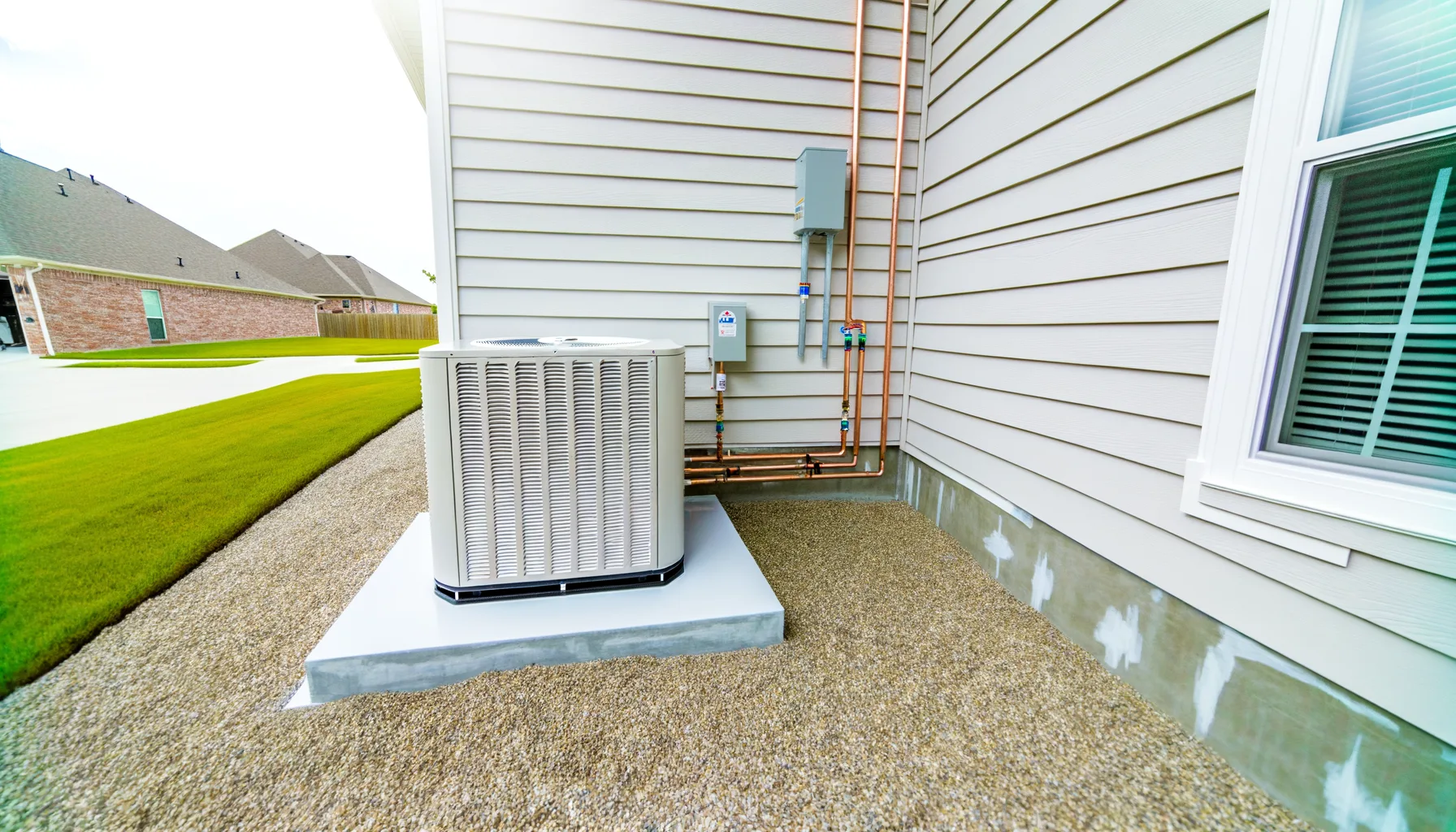
As a Denver homeowner, you know the weather can be unpredictable. One day it's sunny, and the next you're battling freezing temperatures or hailstorms. This constant state of flux can take a toll on your HVAC system. Regular service is crucial, especially as we transition through seasons marked by freeze-thaw cycles and heavy snowmelt. Have you thought about how to prepare your home for an HVAC service visit? Taking a few proactive steps can lead to a smoother experience and longer-lasting heating and cooling systems.
Why This Matters for Denver Homeowners
Denver's climate is notorious for its rapid temperature swings, which make it imperative to maintain your HVAC system. With winter snows melting and spring bringing fluctuating temperatures, your system may be called into action far more than expected. This demand can leave homeowners with unexpected breakdowns if HVAC units are not regularly serviced, especially in a city where snowmelt leads to increased moisture levels and structural stress on your home.
Furthermore, many homes in Denver are built on expansive clay, which can affect your drainage systems and, in turn, your HVAC efficiency. A poorly draining system can lead to moisture problems that impact both indoor air quality and the overall lifespan of your equipment.
Tip: Before your service appointment, clear any debris from around outdoor units and ensure access points are free from blockages. This will save both you and your technician time.
Taking these considerations into account will not only enhance the efficiency of your HVAC system but can also prevent costly repairs down the line. It's wise to be informed and proactive about the unique local challenges your system may face.
Expert Solutions & Actionable Tips
1. Check Your Air Filters
Dirty air filters can impede airflow, making your HVAC system work harder. Regular replacement is recommended, especially during winter and spring when dust and allergens are rampant. In Denver, you might find that filters need to be replaced every 1-3 months, depending on your usage. Expect to pay around $10-$40 per filter, which is a small price for improved air quality and system efficiency.
2. Inspect Ductwork Integrity
Ducts can become weak points in your HVAC system, especially in homes built on expansive clay soil. Conduct a visual inspection for visible damage, gaps, or dirt accumulation. Sealing ducts can improve efficiency by up to 20%. Hiring a professional duct sealing service in Denver could cost between $200 and $500, but it can lead to long-term savings on your energy bills.
3. Clear Space Around HVAC Units
For both indoor and outdoor units, maintaining a clear space is essential for efficient operation. For outdoor units, ensure at least two feet of clearance to avoid obstructing airflow. Denver homeowners should check for snow or ice accumulation during winter months as well. This simple step can prevent costly service callouts during emergency situations.
4. Monitor Your Thermostat
Ensure your thermostat is functioning properly by calibrating it to local weather reports. Advanced models can adjust based on changing temperatures and save you money on energy costs. If it malfunctions, replacements can cost between $50 and $250, plus installation fees depending on the model you choose. Regular maintenance checks can prolong its life and save energy.
5. Scheduling Routine Maintenance
Routine maintenance is key, particularly in Denver as seasons rapidly shift. Having a licensed technician perform a thorough inspection once or twice a year can reveal underlying issues before they become significant problems. Maintenance visits typically cost between $75 and $150, offering peace of mind and potentially saving you thousands in future repairs.
6. Understanding Seasonal Needs
Your HVAC system will fluctuate in demand, so it’s wise to adjust for seasonal changes. As the weather warms up, switch from heating to cooling modes. Familiarize yourself with Denver's energy regulations as well since they can lead to rebates for energy-efficient upgrades. Understanding these nuances can keep your home comfortable year-round without exorbitant energy bills.
Denver Climate & Local Context
Denver's unique climate, characterized by rapid temperature changes and snowmelt, presents some specific challenges for HVAC systems. Built on expansive clay soils, many homes face issues with drainage that can impact air quality and system reliability. Homeowners should also be aware that the heavy, wet snow in winter can put additional strain on outdoor units, making service preparation crucial.
Local building codes often require features such as proper drainage and insulation to optimize performance while mitigating the impact of freeze-thaw cycles. Be sure to consult with your HVAC technician regarding any adjustments needed on your system to comply with these regulations.
When to Call a Professional
While some HVAC tasks are manageable for homeowners, there are times when calling a professional is the best course of action. For instance, if you notice unusual noises coming from your system or experience temperature inconsistencies, these may indicate underlying issues that require expert attention.
- Unresponsive thermostat
- Frequent circuit breaker trips
- Strange noises or odors
- Water leakage or excessive moisture
- Airflow issues or inconsistent temperatures
If you're in doubt, it's often safer to consult with a professional technician who understands the specific challenges of Denver's climate and can provide tailored services to ensure your HVAC system runs efficiently.
Frequently Asked Questions
How often should I schedule HVAC maintenance?
In Denver, it’s advisable to have your HVAC system serviced at least twice a year, ideally before the heating and cooling seasons.
What are common signs my HVAC system needs repair?
If you notice unusual noises, spikes in energy bills, or inconsistent temperatures throughout your home, it's time to call a professional.
Are there energy efficiency rebates available for HVAC upgrades in Denver?
Yes, Denver offers various rebates for homeowners who switch to energy-efficient systems or improve existing ones. It’s worthwhile to ask your HVAC provider about these options.
Can I perform HVAC repairs myself?
Minor tasks like changing filters or cleaning vents can be DIY, but most repairs should be handled by professionals to avoid safety hazards.
How long can I expect my HVAC system to last?
With proper maintenance, HVAC systems typically last between 15 to 20 years, but this can vary based on the local climate and system type.
Get Expert HVAC Service in Denver
Preparation is key to ensuring your HVAC system operates smoothly, particularly in Denver’s unpredictable weather. When you need assistance, trust AirPros Heating and Cooling for expert service tailored to the unique needs of your home.
Don’t leave your comfort to chance — call (720) 727-9382 to schedule an appointment today!